
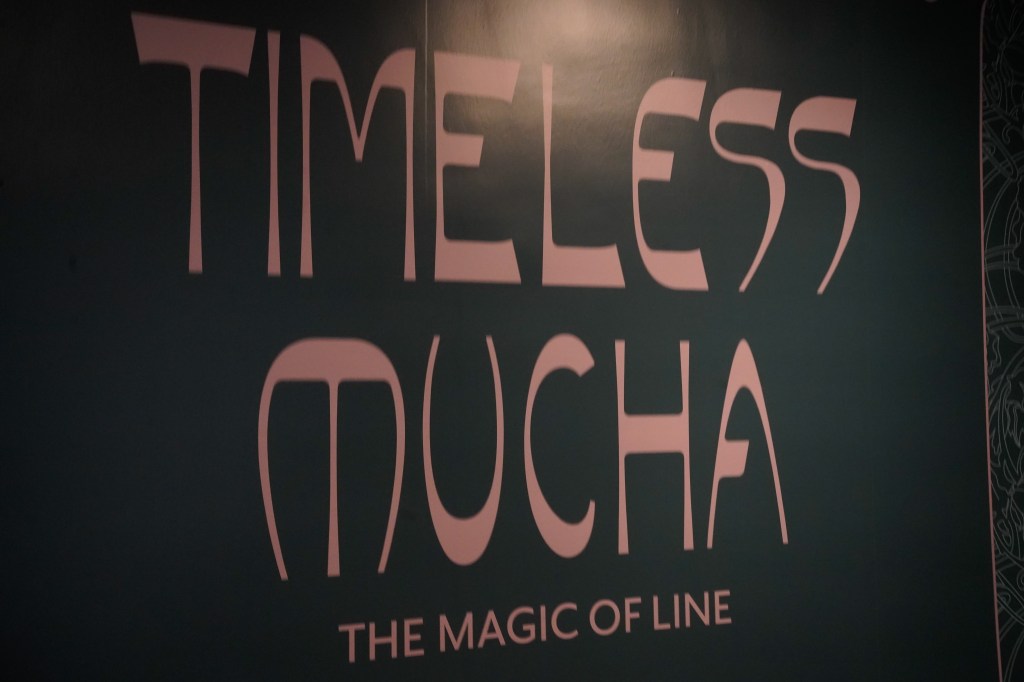
The flowing lines and captivating figures of Alphonse Mucha now grace the walls of the Phillips Collection. This intrepid artvoyeur recently navigated the Dupont Circle scene to bring you a report from the realm of fin-de-siècle artistry.
The Phillips Collection’s Goh Annex and Sant Building host “Timeless Mucha: The Magic of Line,” an immersive experience.
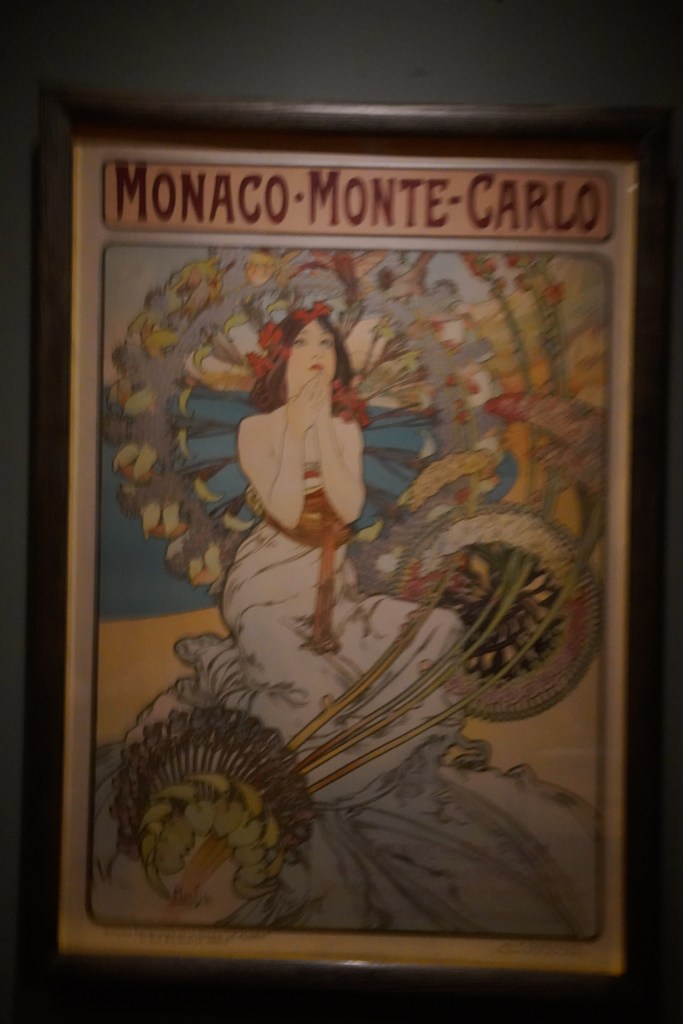
Mucha, a name synonymous with Art Nouveau, created images featuring flowing hair, idealized women reminiscent of chic seaweed, and decorative elements rivaling Tiffany lamps.
This Czech artist, born in 1860, significantly shaped the Art Nouveau movement. Some even suggest the style could have been termed “Le Style Mucha” given his strong association.


THE EXHIBITION, a notable display of over 100 pieces from the Mucha Trust Collection, effectively charts his artistic development. From his early training to his prominence as a key figure in Art Nouveau, the show offers a clear sense of his evolution.
The posters, undoubtedly, hold a central position in this collection. His innovative work for Sarah Bernhardt, such as the famed “Gismonda” from 1894, stands in its towering, slender form. Bernhardt occupies much of the poster, appearing like a Byzantine figure from an elegant marsh. This work caused a sensation at the time.
Beyond the decorative impact, Mucha possessed a strong grasp of graphic design. He crafted visual messages, not just attractive pictures.
His advertisements for items like JOB cigarette papers and Biscuits Lefèvre-Utile are small masterpieces, merging art and commerce in a manner that might inspire envy in a modern influencer.
A woman draped in wheat holding a plate of wafers? A stroke of genius, demonstrating consistent visual messaging for stronger brand images.
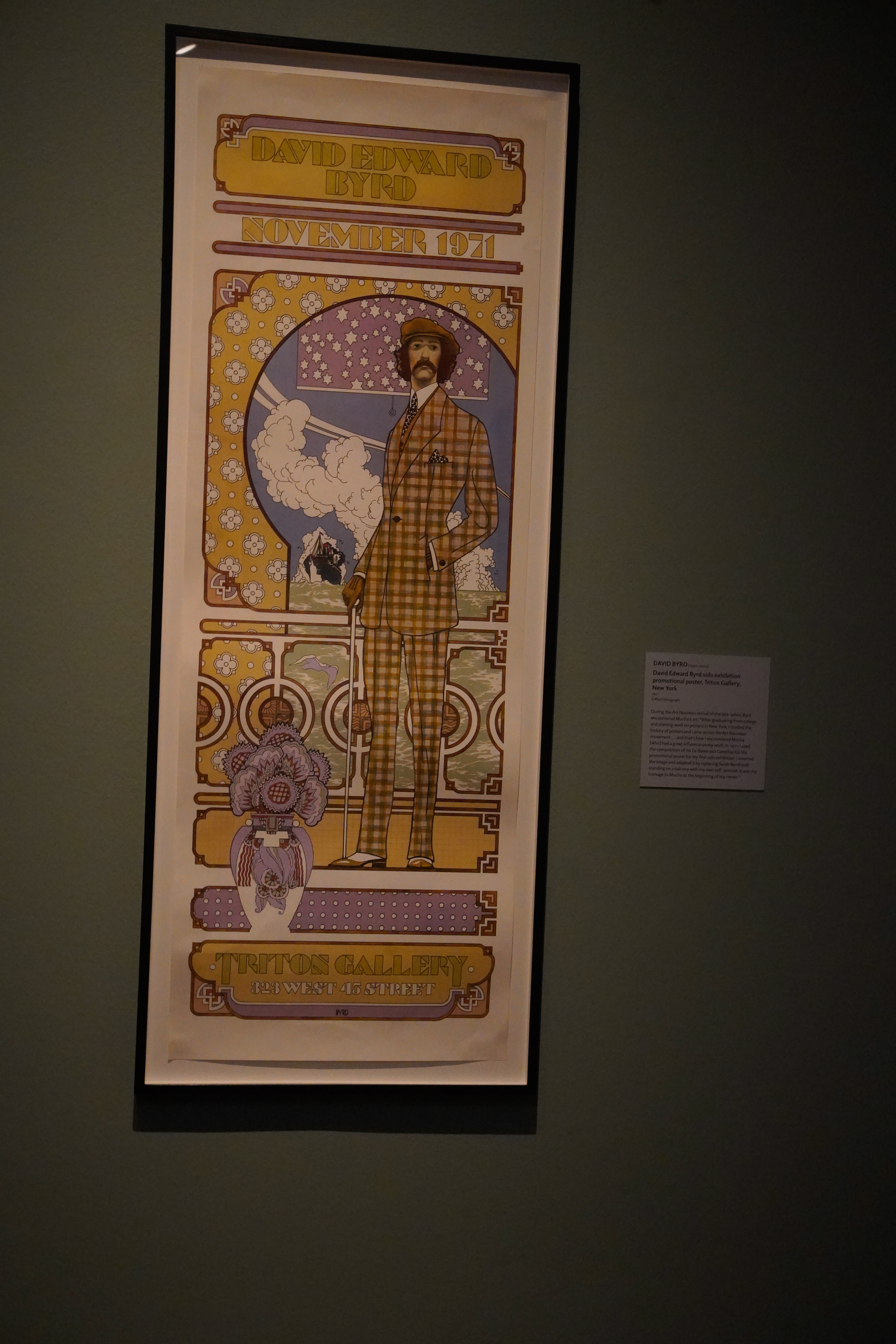


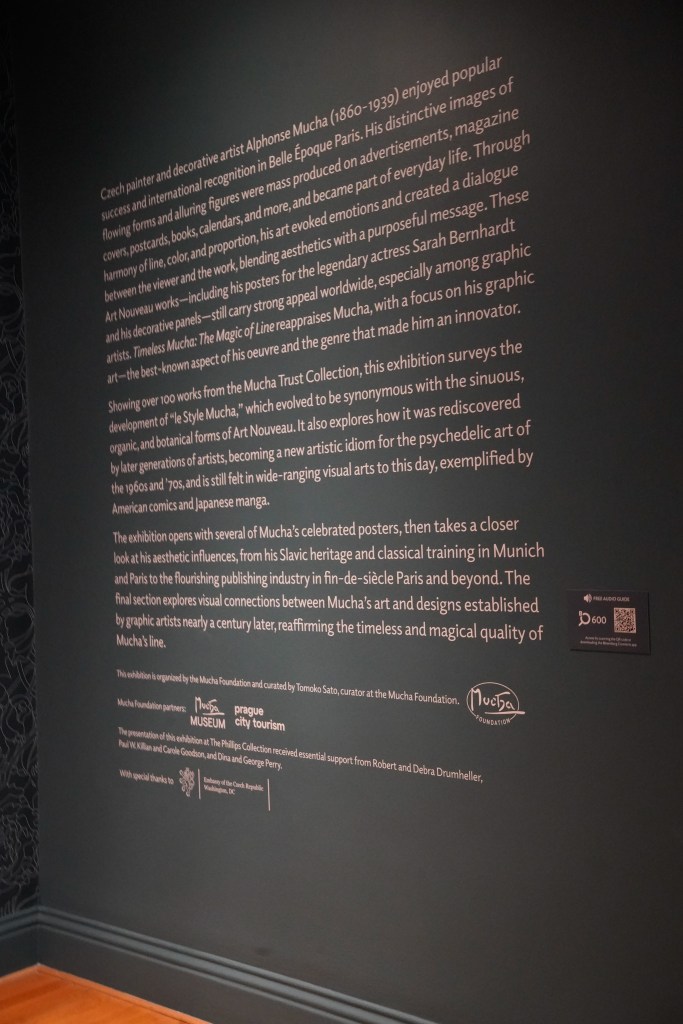
The exhibition also acknowledges the resurgence of Mucha’s style during the 1960s and 70s. It is interesting to observe how his flowing lines and organic shapes resonated with a different cultural period, influencing album covers and manga. Despite this enduring quality, Mucha himself reportedly did not favor the “Art Nouveau” label, viewing his art as simply “art”: it is permanent and universal.
Walking through the exhibit prompted reflection on the concept of criticism, a key focus of AnotherCritic.com.
Mucha’s posters gained significant popularity, adorning streets and reaching a broad audience due to advancements in color lithography. Art moved beyond gallery walls. One wonders Mucha’s perspective on today’s critical environment, where opinions are readily shared online.
This experience leads me to you, dear reader. Having now engaged with Mucha’s captivating art, I invite your thoughts. Visit the “Everyone’s a critic” section of AnotherCritic.com and share your perspective.
Do my photographic efforts merit the same digital space as Mucha’s legacy? Perhaps not, yet every viewpoint holds value. Offer your insights, be thoughtful, and aim for constructive commentary.
The Phillips’ Mucha exhibition, “Timeless Mucha: The Magic of Line”, is open until May 18, 2025. Experience it firsthand. Observe the lines and forms. Determine if it possesses true timelessness or remains wonderfully a product of its era. Then, return here and share your conclusions. After all, the dialogue, the critique, the insightful commentary…these define AnotherCritic.com.
Critically and with anticipation,
A.C.


Leave a comment